
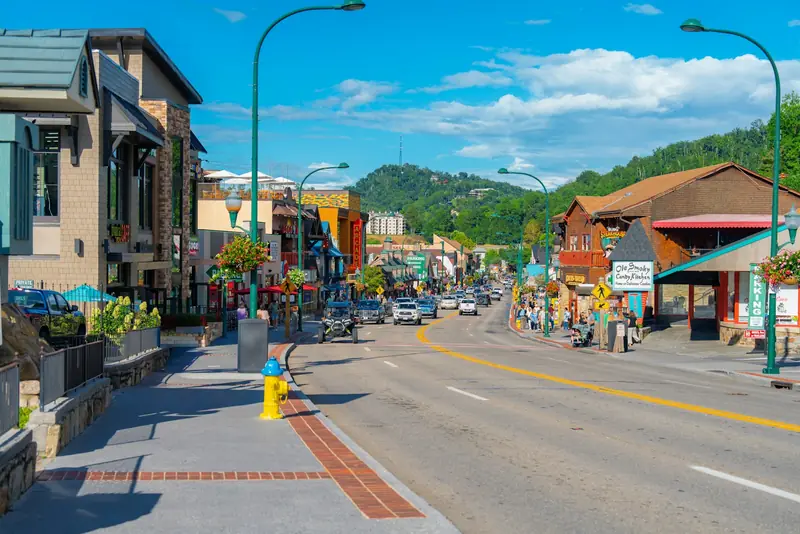
A more interesting way to explore Gatlinburg, Pigeon Forge, Sevierville, Townsend, and Cherokee: follow the people making something, cooking something, or keeping a story alive.
At some point during a vacation, somebody asks, "Where should we eat?"
It sounds like a request for a restaurant. Often it is a request for something larger: a place that makes the day feel as if it happened here. The same instinct sends us into a pottery studio, a small gallery, or a shop where someone can explain how the thing in the window was made.
The Smokies offer plenty of those places. They don't all fit the romantic picture of a tiny business nobody has discovered. Some have welcomed visitors for generations. Others are finding new ways to express old regional ideas.
The useful question is what connects a place to the region. Who is making the work? What are they making it from? What story, skill, or ingredient becomes clearer when you visit? Follow those questions and you can build a remarkably satisfying trip, with considerably fewer emergency searches for "best place near me."
The quick answer: For local food and craft in the Smokies, start at the Old Mill in Pigeon Forge, a gristmill dating to about 1830 whose restaurant serves grits and cornbread made from its own meal. Visit working potters in Gatlinburg's Great Smoky Arts & Crafts Community. Try the cider and fried apple pies at the Apple Barn in Sevierville. And see Cherokee art at Qualla Arts and Crafts Mutual in Cherokee, North Carolina, which calls itself the oldest Native American cooperative in the United States.
At a glance
| Place | Town | What it is | Since |
|---|---|---|---|
| Alewine Pottery | Gatlinburg | Functional pottery; throwing and raku-firing experiences | 1983 |
| The Old Mill and Old Mill Restaurant | Pigeon Forge | Working gristmill; Southern food made with its own meal | Mill about 1830; restaurant 1993 |
| Pigeon River Pottery | Pigeon Forge | Working pottery studio | 1999 |
| Apple Barn and Cider Mill | Sevierville | Cider, baked goods, Applewood Farmhouse Restaurant | 1981 |
| The Appalachian | Sevierville | Contemporary Southern Appalachian dining | — |
| Red's Soda Fountain | Sevierville | 1950s-style soda fountain | — |
| Dancing Bear Appalachian Bistro | Townsend | Regional cooking with produce grown on-site | — |
| Qualla Arts and Crafts Mutual | Cherokee, NC | Cherokee artists' cooperative and gallery | 1946 |
Gatlinburg: start with the makers
The Great Smoky Arts & Crafts Community is the practical starting point: an eight-mile loop of shops and studios east of downtown Gatlinburg, with work across many materials and traditions.
Don't approach the loop as a requirement to enter every shop. Pick two or three mediums that interest you from the current member directory, and give those visits enough time to become more than browsing at speed.
Alewine Pottery, at 623 Glades Road, is a good example. It opened in 1983, and the Alewine family describes a lifelong commitment to functional pottery. If you want to get your hands dirty, the studio lists a pottery-throwing experience and a raku-firing experience on its website; book ahead.
Functional work makes a particularly good souvenir. A mug or bowl enters your ordinary life and brings the trip with it. Before you buy, ask who made the piece, how it was made, and how to care for it. A useful conversation is often worth more than another lap around the display.
Gatlinburg's arts school: Arrowmont
A studio visit and an arts school tell different parts of the story. Arrowmont School of Arts and Crafts grew out of a settlement school the Pi Beta Phi Women's Fraternity founded in Gatlinburg in 1912. In 1926 the school opened the Arrowcraft Shop to sell local crafts, and in 1969 it took the name Arrowmont. Today it is a working center for arts education. Check its site for public exhibitions and workshops; a public visit and access to teaching studios aren't the same thing.
Arrowmont is also a useful counterweight to the idea that mountain craft must look old-fashioned. A piece does not need to imitate a nineteenth-century household item to belong to the Smokies. For the longer history, see our guide to Smoky Mountains history and culture.
Pigeon Forge: follow the grain, the clay, and the kitchen
The Old Mill area connects food and craft better than anywhere else in the region. Its own history lays out the chain:
- The mill. William Love built the gristmill on the Little Pigeon River around 1830, next to the iron forge his father, Isaac, built in 1817. Its stones still grind grain powered by the river.
- The kitchen. The Old Mill Restaurant opened beside the mill in 1993. It serves Southern classics like fried chicken, biscuits, cornbread, and stone-ground grits, made with flour and cornmeal milled steps away.
- The clay. In the late 1940s, Douglas and Ruth Ferguson founded Pigeon Forge Pottery in a former tobacco barn across the street. The Old Mill family reopened the property as Pigeon River Pottery in 1999, where artisans hand-throw Tennessee clay, and visitors can watch.
- The table. The Fergusons' former home reopened in 2004 as the Pottery House Cafe, which serves its food on dishes made at the pottery next door.
- The still. Old Forge Distillery opened in 2014 in the property's old mule barn, using grains from the mill.
That chain is more interesting than a generic promise of Southern charm. It connects an ordinary meal to grain, clay, water power, and work.
It also suits a mixed group. One person can learn about the mill, another can watch the potters, and someone else can focus entirely on lunch, without anyone pretending they came for the same reason. Sort out lunch before the history lesson. The best historical context in the world will not improve the mood of a child who needed to eat forty minutes ago.
Sevierville: give downtown an actual evening
Downtown Sevierville deserves more than a drive-by on the way to another town.
The Appalachian, at 133 Bruce Street in the downtown historic district, describes its cooking as a "contemporary Southern Appalachian" dining experience that pays homage to the Smoky Mountain and East Tennessee region. Reservations are through Resy, and it offers a chef's table. It's the place to go if you want dinner to engage with regional identity in a current form.
Regional food can evolve. It can carry memory and place without reproducing the same plate forever. A contemporary restaurant and a long-running family food business can both teach you something about where you are.
For something lighter, Red's Soda Fountain, at 114 Court Avenue, is a 1950s-style soda fountain serving hand-mixed phosphates, ice cream sodas, sundaes, and floats. It's on the same street as the Sevier County Courthouse and the Dolly Parton statue.
Between stops, walk part of downtown's history. The historic walking tour covers downtown's older buildings. Since October 2026, the free In Dolly's Footsteps tour has added nine downtown stops tied to Dolly Parton's childhood and early career. A meal, a little history, and time to look around can turn a town you thought you knew into a place you've actually visited.
Sevierville: the Apple Barn, and the business behind the name
The Apple Barn and Cider Mill, at 230 Apple Valley Road in Sevierville, has a longer story than its gift shops suggest. According to its own history:
- The barn was built in 1910 on a farm the Mullendore family worked for generations.
- Bill and Georgia Kilpatrick, with partner Bon Hicks, bought the 65-acre farm in the 1970s, planted apple trees, and started pressing cider.
- The Apple Barn first opened for about six weeks in the fall of 1981 and went year-round in 1987.
- In 1986, the family turned their farmhouse into the Applewood Farmhouse Restaurant, which the Apple Barn calls Sevierville's oldest restaurant.
The food is the best part of the story. On early "market days," a neighbor made fried apple pies that sold out every time. That neighbor's family still bakes the Apple Barn's apple pies, fritters, and stack cakes. There's also a cider bar and a candy factory that hand-twists candy sticks on century-old equipment.
Rather than treating everything on the property as interchangeable, notice which business you're in and what it makes. A place does not lose all meaning because other people love it.
Townsend: food with substance
If Townsend is on your itinerary, give it a full day rather than tacking it onto one that has already run long.
Dancing Bear Appalachian Bistro serves regionally inspired cooking from Executive Chef Jeff Carter, using produce grown on-site and local ingredients. Check its seasonal menu and booking details before you go.
Pair dinner with the Great Smoky Mountains Heritage Center, whose museum galleries and village of historic buildings give the day its context. One town, two good reasons to be there, and less time persuading a schedule to work.
Cherokee: art on its own terms
A visit to Cherokee, North Carolina, should include time for Cherokee institutions and makers on their own terms.
Qualla Arts and Crafts Mutual is a cooperative of Cherokee artists founded in 1946 with 59 charter members, according to the Cherokee One Feather. It describes itself as the oldest Native American cooperative in the United States. It was founded to preserve Cherokee arts and give artists a year-round market, and its gallery displays a permanent collection of Cherokee craft gathered since 1946, according to Western Carolina University.
The Museum of the Cherokee People, established in 1948, shares Cherokee history, culture, and stories, and is the right place to start.
At Oconaluftee Indian Village, an outdoor living-history museum run by the Cherokee Historical Association, guided tours include craft demonstrations by Cherokee artists. It's seasonal: in 2026, guided tours ran through October 31, with self-guided tours from November 12 to December 12.
These are distinct experiences. Give each the time it warrants rather than treating several cultural stops as quick shopping. Ask about makers and materials, follow photography guidance, and respect the interpretation each institution offers. A craft object can carry knowledge, skill, and cultural meaning, whether or not you buy it.
Build a food-and-arts day someone would actually want to take
The formula is pleasantly uncomplicated: a few related stops in one town, a real meal, and room to follow an interest.
- A Gatlinburg studio day: Choose two or three makers from the Arts & Crafts Community directory. Book a throwing or raku session at Alewine Pottery if you want to make something yourself. Leave the afternoon open.
- A Pigeon Forge grain-and-clay day: Watch the Old Mill's wheel, eat at the Old Mill Restaurant or the Pottery House Cafe, then watch the potters at Pigeon River Pottery.
- A Sevierville day: Morning at the Apple Barn for cider and fried apple pies, then an evening downtown: the In Dolly's Footsteps tour, dinner at The Appalachian, and dessert at Red's.
- A Cherokee day: Start at the Museum of the Cherokee People, then Qualla Arts and Crafts Mutual. In season, add Oconaluftee Indian Village. A cultural visit needs more than the time left over after everything else.
These picks are based on each business's published offerings, not paid partnerships or reviews. Confirm hours, menus, and any dietary or access needs directly before you go.
We manage cabins at Douglas Lake, near Dollywood, on the Spur, and in Eagle Springs, and our Gatlinburg office is on Glades Road. Tell us what you like to eat and what you like to look at, and we'll point you to the right town for the day.
Questions about Smoky Mountain food and arts
What food are the Smoky Mountains known for?
Regional staples you can find include stone-ground grits, cornbread, and biscuits made with meal from the Old Mill in Pigeon Forge, and apple butter, cider, fried apple pies, and stack cakes at the Apple Barn in Sevierville. Contemporary restaurants like The Appalachian in Sevierville and Dancing Bear Appalachian Bistro in Townsend reinterpret Southern Appalachian cooking.
Where can I take a pottery class near Gatlinburg?
Alewine Pottery, on Glades Road in Gatlinburg's Arts & Crafts Community, lists pottery-throwing and raku-firing experiences on its website. Arrowmont School of Arts and Crafts in Gatlinburg also offers workshops; check its current schedule.
Where can I buy authentic Cherokee art?
Qualla Arts and Crafts Mutual in Cherokee, North Carolina, is a cooperative of Cherokee artists founded in 1946. It describes itself as the oldest Native American cooperative in the United States.
Where should you start with Smoky Mountain arts and crafts?
Start with the Great Smoky Arts & Crafts Community, an eight-mile loop of studios and shops east of downtown Gatlinburg. Pick a few mediums that interest you from its directory rather than trying to see everything.
How many stops should you put into a food-and-arts day?
Three or four in one town. Leave time for a conversation, an unexpected purchase, or a longer meal. The goal is to experience the place, not to complete a directory.
Find your next area to explore in SmartStay's Smoky Mountain guides, and read the backstory in our guide to Smoky Mountains history and culture.
Sources
- Great Smoky Arts & Crafts Community
- Alewine Pottery – Visit the Shop
- The Old Mill – History
- The Appalachian
- The Corner Downtown – Red's Soda Fountain
- In Dolly's Footsteps
- Apple Barn – Our History
- Dancing Bear Appalachian Bistro
- Cherokee One Feather – Qualla Arts and Crafts turns 70
- WCU – Qualla Arts and Crafts today
- Museum of the Cherokee People
- Cherokee Historical Association – Oconaluftee Indian Village